Bottom line: FCL (Full Container Load) means your cargo fills and seals one container, while LCL (Less than Container Load) means your cargo shares a container with other shippers and pays only for the space it uses. FCL is the preferred choice for heavy or bulky shipments, while LCL suits small trial orders and replenishment that do not fill a whole container. The sections below compare volume, handling, transit and typical use cases so you can match the service to your cargo.
1. What FCL and LCL Actually Mean
FCL is a full container reserved for one shipper. You load and seal it at the factory or warehouse, it travels as one unit, and it is unpacked only at the destination. There is no sharing with other cargo.
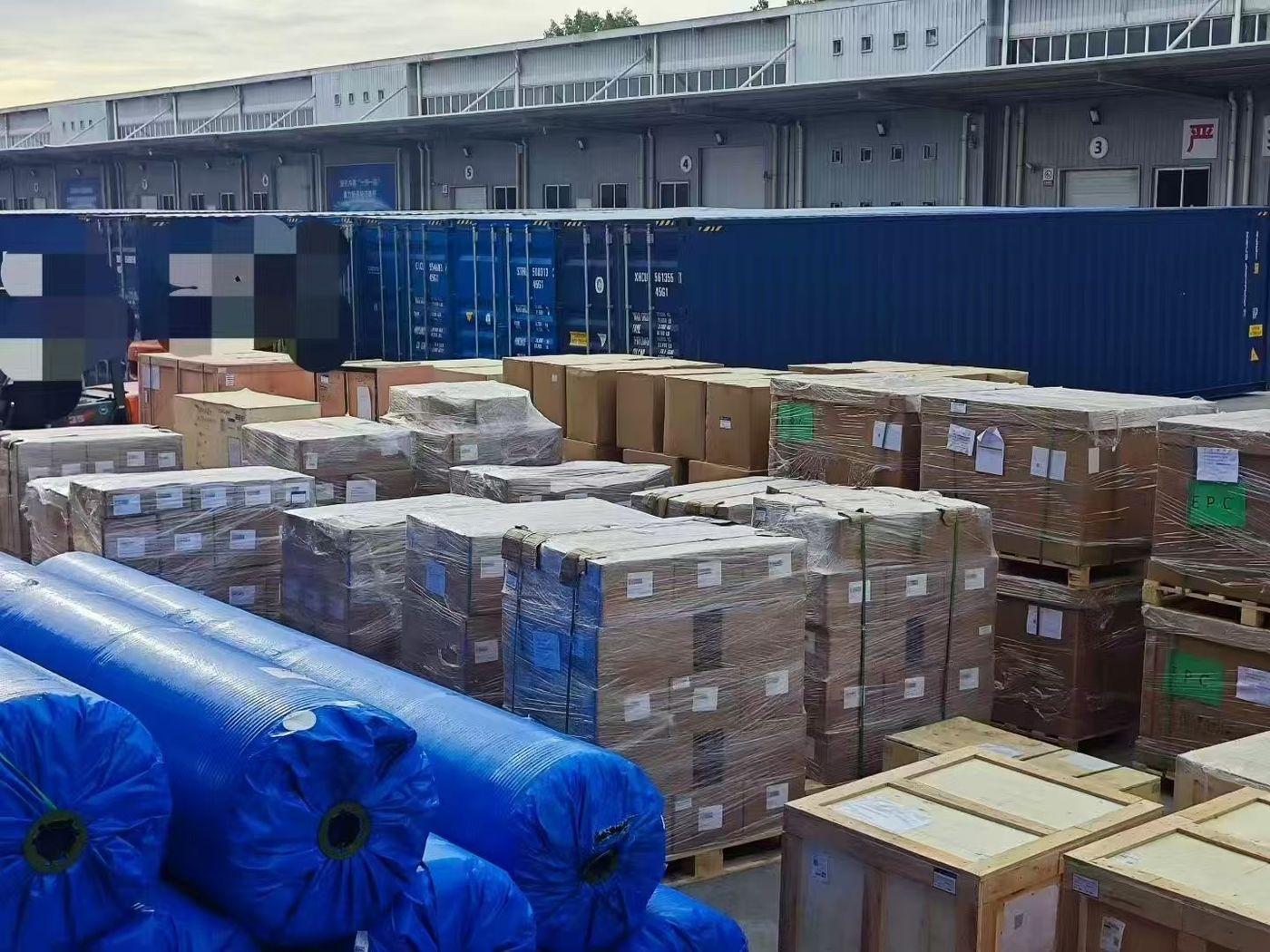
LCL is consolidated freight. Your cargo is grouped with other shippers at the origin warehouse, packed into one container, and then split again at the destination. You pay for the volume and weight your cargo occupies rather than for a whole box.
2. Side-by-Side Comparison
| Factor | FCL (Full Container) | LCL (Consolidated) |
|---|---|---|
| Typical cargo size | Roughly a full 20ft or 40ft loading | Smaller volume that does not fill a container |
| Handling | One sealed door-to-door flow | Extra origin consolidation and destination deconsolidation |
| Risk of damage | Lower — fewer handlings | Slightly higher — multiple warehouse moves |
| Typical rail transit to Europe | 18–22 days | 18–22 days rail plus consolidation time |
| Cost level | Efficient at full-container volume | Good for small volume, with handling charges per shipment |
3. When to Choose FCL
- Machinery, auto parts, hardware or building materials that fill most of a container.
- Shipments where sealed handling matters and you want to avoid sharing space.
- Regular production batches moving from Xi'an, Chengdu, Chongqing, Wuhan or Zhengzhou to Europe.
4. When to Choose LCL
- First trial order, sample shipment or a small replenishment run.
- Cargo volume too small to justify an entire container.
- Buyers testing a new supplier before committing to full-container volume.
5. Urgent Shipments
If the deadline is tight and neither rail timing works, TIR cross-border trucking offers direct door-to-door road transit to Europe or Russia in about 12–15 days, without rail-yard transfers. Space, schedule and rate are confirmed at booking for every mode rather than guaranteed as a fixed timetable.
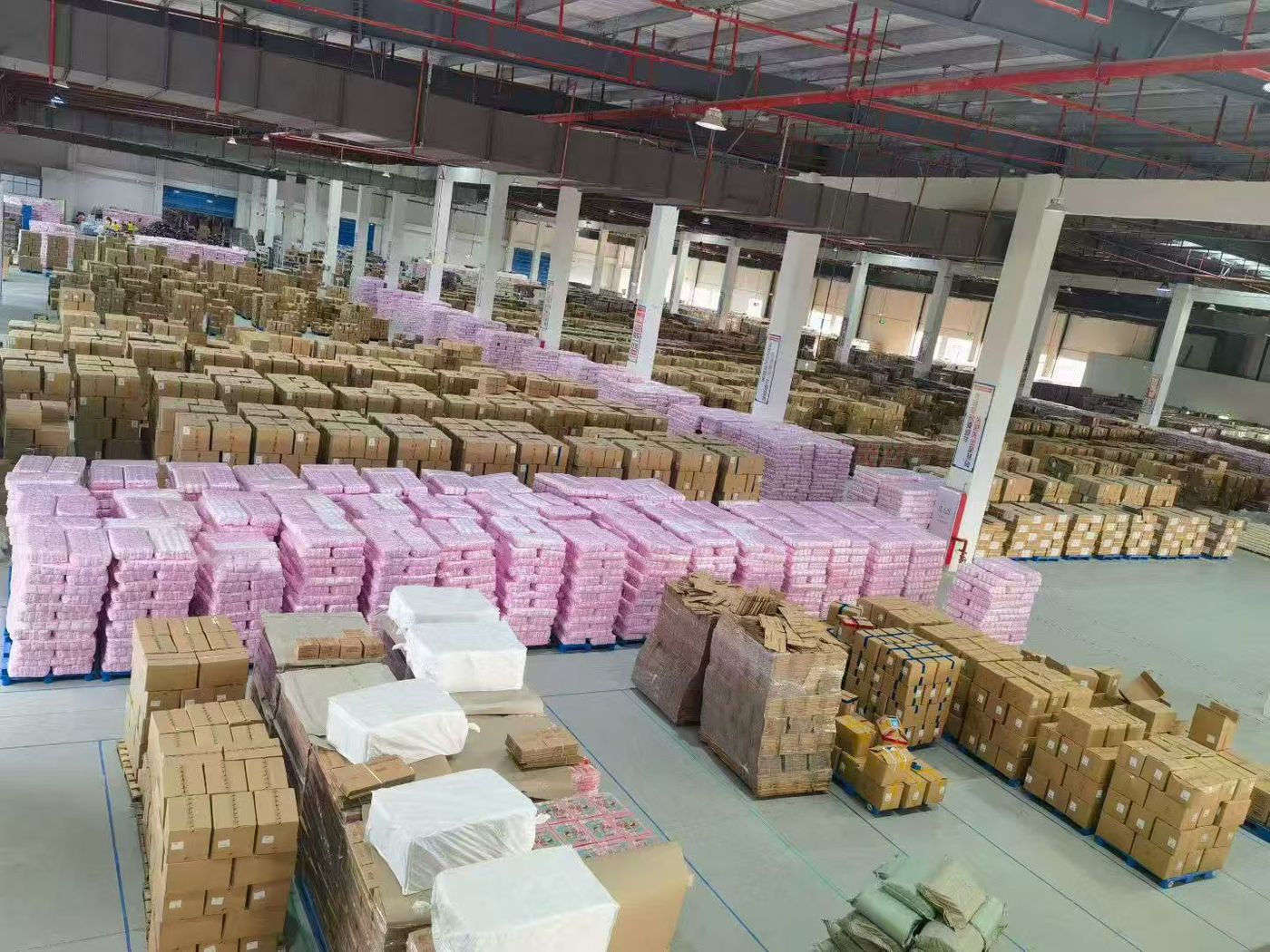
How to decide in one line: full-container volume or sealed handling → FCL; small trial order or sample → LCL; urgent and high-value → ask about TIR trucking.
You can review our China-Europe rail, TIR trucking and container services, or compare the overland modes in our TIR trucking vs. rail guide.
Frequently Asked Questions
When should I choose FCL over LCL for China-Europe rail?
Choose FCL when your cargo fills most of a 20ft or 40ft container, when you ship heavy machinery, auto parts or a full production batch, and when you want sealed container handling without sharing space. FCL avoids consolidation and deconsolidation steps.
Is LCL rail suitable for sample or trial orders?
Yes. LCL consolidated rail suits small trial orders, samples and replenishment that do not fill a container. Cargo is grouped with other shippers at origin and split at destination; expect a few extra days for consolidation handling. Space, schedule and rate are confirmed at booking.
What if my shipment is urgent and rail timing does not work?
If the deadline is tight, TIR cross-border trucking offers direct door-to-door road transit to Europe or Russia in about 12–15 days, without rail-yard transfers. Space, schedule and rate are confirmed at booking for every mode rather than guaranteed as a fixed timetable.
Not Sure Whether to Go FCL or LCL?
Share cargo weight, volume and destination — we will outline whether FCL, LCL or TIR fits your shipment.
Get a Free Quote on WhatsApp