Bottom line: If you are moving goods from China to Europe by rail, the first thing you want is a price. Here is the straight answer: there is no fixed rate table. Every shipment is quoted on its own, because the rate depends on too many things that change from one shipment to the next.
That is how rail freight works. This article explains what actually sets your rate, so you know what affects the price — and what to send us so we can quote you quickly and accurately.
Why There Is No Fixed Rate Table
A fixed price list would be simple, but it would also be wrong. Rail space, like any transport capacity, is priced against demand at the time you book. The same container on the same route can cost a different amount in March than in November.
On top of that, no two shipments are the same. A full container of general cargo from Xi'an to Duisburg is a different job from a few pallets of lithium batteries from Chengdu to Moscow. The handling, the paperwork, the customs work — all of it changes the cost.
So instead of a price list, we quote each shipment individually. You tell us what you are shipping, where it is going, and when it needs to arrive. We come back with a price for that exact shipment.
FCL or LCL: The First Decision That Moves the Price
FCL means you book a whole container. LCL means your goods share a container with other shippers, and you pay for the space you use.
For small shipments, LCL is usually the cheaper way in — you are not paying for empty space. Once your volume grows close to filling a container, FCL usually works out cheaper per unit, and your goods are not consolidated with other cargo, which simplifies handling at both ends.
If you are not sure which one fits, send us the total volume and weight and we will compare both. You can compare the two in our FCL vs LCL rail guide and the container choice guide.
Weight, Volume, and Container Type
Rail pricing is driven by space and weight together. A shipment that is light but bulky takes up container space. A shipment that is small but heavy affects the load plan. Both need to be accurate — wrong dimensions or weight will come back as a revised quote or a delay at the terminal.
Container type matters too. A standard container covers most general cargo. Oversized or heavy cargo may need a different container or a special loading plan, and that changes the price. Tell us the real dimensions and weight, including pallets and packaging, not just the product itself.
Route, Departure Station, and Destination
We run China-Europe rail freight from six departure stations: Xi'an, Wuhan, Chengdu, Chongqing, Zhengzhou, and Urumqi. The station closest to your factory is not always the cheapest or fastest — it depends on the train schedule, available space, and your destination. Compare origins in the hub comparison guide.
Destination matters just as much. A container to Moscow runs about 12–15 days, rail leg only, excluding customs clearance and inspection. Germany or Poland takes about 18–22 days, rail leg only, excluding customs clearance and inspection. Central Asia is around 7–12 days by rail. The longer the rail leg and the more borders it crosses, the more the rate reflects it. You can review the lanes on the China-Europe rail freight page and the Moscow rail page.
If your goods need to reach the door rather than the rail terminal, that last leg is a separate part of the quote. For urgent door-to-door options, see our TIR cross-border trucking service.
What You Are Shipping
General cargo is the simplest case. Special cargo is not.
Lithium batteries need specific packaging, documentation, and carrier approval. Dangerous goods need a dangerous goods declaration and can only move on services that accept them. Oversized machinery needs a loading plan and sometimes a different container type. Each adds handling time and cost, and each has rules to follow before loading.
This is also why we ask for the product name, the HS code if you have it, and the MSDS for batteries or chemicals. The more we know upfront, the fewer surprises there are later — and the more accurate the quote.
Customs Clearance and Inspection
Customs clearance and inspection are not part of the rail transit time. They sit on top of it. The rail leg to Moscow is 12–15 days, rail leg only, excluding customs clearance and inspection — clearance and any inspection waiting time come after the train arrives.
Most shipments clear without trouble, but inspections happen, and they take time. A clean, complete set of documents — commercial invoice, packing list, and any product certificates — is the best way to keep clearance fast. If your goods are stopped for inspection, we keep you updated on where they stand. Document prep is outlined in the China customs clearance guide.
Season and Timing
Q4 is peak season. Christmas stock, year-end orders, and winter weather at the border crossings all push demand up, and space gets tight. Booking earlier in Q4 costs less than booking late.
If your date is flexible, say so. A shipment that can move a week earlier or later sometimes gets a better rate than one locked to a single departure. The same applies in reverse: if you need a fixed arrival date, tell us — we will plan around it, and the quote will reflect the space we need to hold.
Incoterms and Warehousing
The Incoterm you choose changes what the quote covers. Under DAP, we deliver to the named destination and you handle import customs and duties. Under DDP, we handle import clearance and pay duties and VAT. Same goods, same route — different scope, different price. Read the comparison in our DAP vs DDP guide.
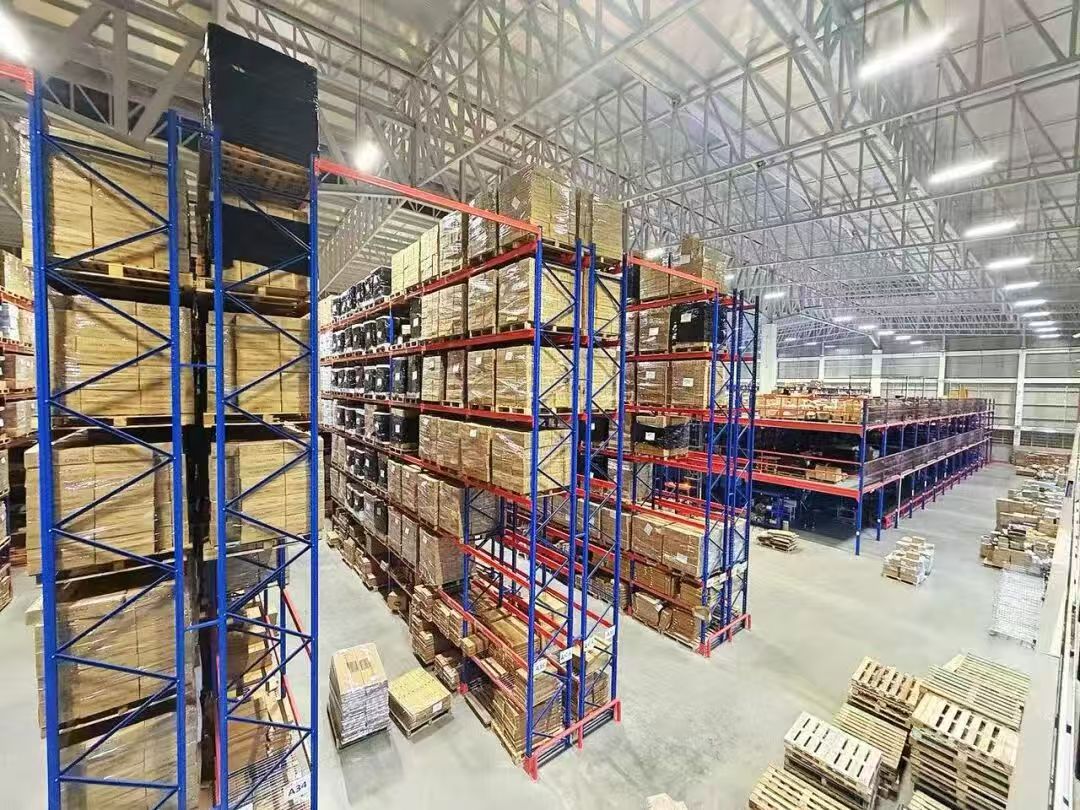
Overseas warehousing changes the picture too. If your goods can go to our warehouse in Moscow first, you can clear customs and deliver to your customers from stock instead of shipping order by order. That does not make the rail leg cheaper, but it can cut your overall delivery cost and time. See the overseas warehousing guide.
How to Get a Quote From Us
Send us five things and we can quote you:
- What the goods are — product name, weight, volume, and number of packages.
- Where they are now, and which departure station suits you — or let us suggest one.
- Where they are going, down to the city and delivery address.
- The Incoterm you want — DAP or DDP — or tell us you need advice on it.
- When they need to arrive.
Email the details to [email protected], or reach us on WhatsApp at +86 184 1840 6518. We will come back with a quotation for that exact shipment — what it covers and how long it takes. You can also start from the services overview or write to us on the contact page.
Frequently Asked Questions
Why can't you give a fixed rate?
Rail rates move with space availability, route, container type, cargo, and season — and no two shipments are the same. Two shipments that look similar can price differently, so we quote each one individually instead of publishing a price list that would be wrong most of the time.
FCL or LCL — which is cheaper?
It depends on volume. With LCL you pay for the space you use, so small shipments are usually cheaper that way. Once your volume comes close to filling a container, FCL usually works out cheaper per unit. Send us the volume and weight and we will compare both.
What is included in the quote?
The quotation lists exactly what it covers: the transport leg you asked for — rail or TIR, FCL or LCL — plus any services you added, such as customs assistance, warehousing, or door delivery. If a service is not on the quotation, it is not included.
How long is the transit?
Moscow runs 12–15 days, rail leg only, excluding customs clearance and inspection. Germany or Poland runs 18–22 days, rail leg only, excluding customs clearance and inspection. Central Asia is around 7–12 days by rail. TIR trucking runs 12–15 days door-to-door. Customs clearance and inspection add time on top of the rail leg.
Need a Rail Freight Quote?
Share cargo weight, volume, destination and preferred timing — we reply with what the rate covers and the transit estimate.
Get a Free Quote on WhatsApp