Bottom line: winter can slow rail and road crossings at Alashankou and Khorgos through snow, schedule pressure and document backlogs, but most delays are avoidable with earlier booking, complete documents and a buffer in the timeline. This guide explains where winter delays happen and the checklist to reduce them for general cargo moving from China to Central Asia and Europe.
1. Why These Two Crossings Matter
Alashankou and Khorgos are the main land-bridge crossings for rail and road freight from Xinjiang into Kazakhstan and onward to Central Asia, Russia and Europe. Cargo to Central Asia and much of the China-Europe rail flow passes through one of these two points, so any slowdown at the crossing affects the whole transit chain.
2. Where Winter Delays Typically Happen
- Weather on the run-up: snow and ice can slow marshalling, truck runs and equipment handling on the approach to the crossing.
- Peak-season volume: when freight volume stacks up at the port, waiting time for slot, inspection or transfer can grow.
- Document backlog: an incomplete HS code, packing list or classification check adds waiting time at inspection.
- Equipment availability: container or chassis shortages can shift the departure plan even when the cargo is ready.
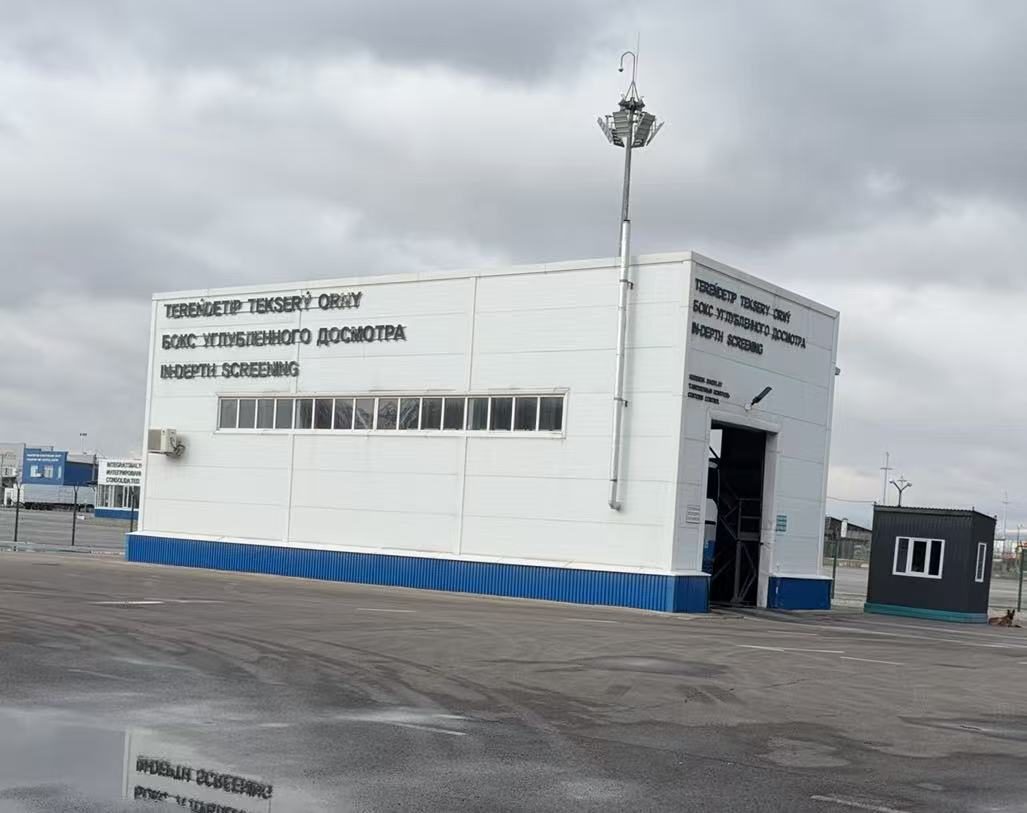
3. Checklist to Reduce Winter Delay
| Checkpoint | What to do |
|---|---|
| Booking timing | Book earlier than a summer schedule; winter and peak-season space is confirmed at booking rather than guaranteed on a fixed timetable. |
| Documents | Commercial invoice, packing list, HS code and any required certificates ready before dispatch; no last-minute corrections at the crossing. |
| Origin readiness | Cargo packed, marked and handed over at the agreed pickup date so it does not miss the planned departure. |
| Equipment and routing | Confirm container type and the chosen crossing based on current border conditions and destination. |
| Timeline buffer | Build a buffer into the delivery plan for Central Asia and Europe, especially for stock replenishment with a fixed in-store date. |
4. Overland Modes Through the Corridor
Rail moves general cargo to Europe in a typical 18–22 days rail leg only, excluding customs clearance and inspection, and to Central Asia in about 7–12 days; TIR cross-border trucking reaches Europe in a typical 12–15 days. For Central Asia, rail and road feed through the two crossings above; the choice between rail and road depends on cargo weight, urgency and destination. All transit figures are typical ranges, subject to space, schedule and border conditions confirmed at booking.
Planning tip: before the coldest weeks, confirm cargo readiness date and destination with enough lead time, and ask which crossing and mode fit the current border situation for your lane.
Review our rail, road and warehousing services, or read our guide to China to Moscow rail freight for the Russia direction.
Frequently Asked Questions
Do winter conditions delay China-Europe rail?
Yes, land crossings can slow in snow and peak-season periods. Earlier booking, complete documents and a timeline buffer reduce the risk; the actual schedule for each shipment is confirmed at booking.
Which crossings serve Central Asia from China?
Alashankou and Khorgos are the main crossings for rail and road to Kazakhstan, Uzbekistan and onward routes. Routing is chosen by cargo type, destination and the current border situation.
How can I reduce the risk of winter crossing delays?
Book earlier, keep documents complete and build a buffer into the timeline. Before the coldest weeks, confirm the cargo readiness date and destination with enough lead time, and ask which crossing and mode fit the current border situation for your lane.
Plan Your Winter Shipment
Share origin, destination, cargo details and preferred date — we will outline mode, crossing and a target timeline.
Get a Free Quote on WhatsApp